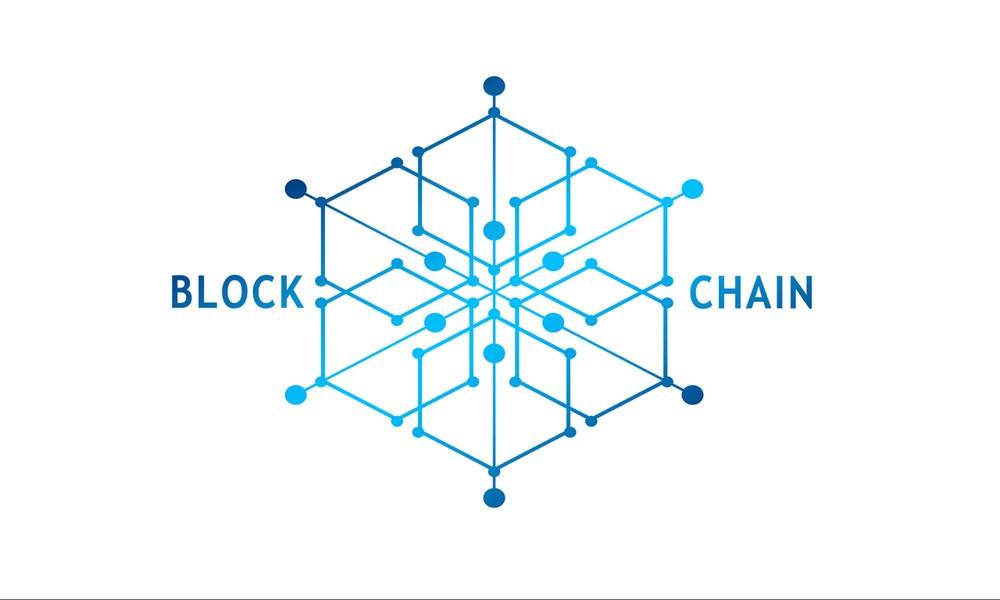

Filename: blockchain-supply-chain-management
Alt-text: blockchain for supply chain management
Supply chain management (SCM) is a critical component of global trade and commerce, responsible for the efficient movement of goods from suppliers to consumers. The global supply chain industry is vast and intricate, involving multiple stakeholders, processes, and systems.
Traditional supply chain management systems often face challenges such as lack of transparency, difficulty in tracking and verifying transactions, and susceptibility to fraud. These issues can lead to inefficiencies, increased costs, and reduced trust among stakeholders. Blockchain technology, with its decentralized nature and ability to provide a single source of truth, has emerged as a promising solution to these problems.
The Rise of Blockchain in Supply Chain Management
Blockchain technology, the backbone of cryptocurrencies like Bitcoin, is proving to be a game-changer beyond financial transactions. Introduced in 2008 by an anonymous entity known as Satoshi Nakamoto, blockchain is a decentralized ledger system that records transactions across multiple computers in a way that ensures security and transparency.
Since its inception, blockchain technology has expanded far beyond digital currencies. According to a 2023 report by the International Data Corporation (IDC), the global market for blockchain in supply chain management is expected to grow from $1.4 billion in 2023 to $5.8 billion by 2026, at a compound annual growth rate (CAGR) of 33.3%. This rapid growth underscores the increasing recognition of blockchain’s potential to revolutionize supply chain management.
Key Benefits of Blockchain for Supply Chain Management
Enhanced Transparency and Traceability
One of the most significant advantages of blockchain in supply chain management is its ability to provide end-to-end visibility. Traditional supply chains often involve multiple intermediaries, making it challenging to track products and verify their authenticity. Blockchain’s immutable ledger ensures that every transaction is recorded in a transparent and unalterable manner.
For example, in 2020, Walmart implemented blockchain technology to track the provenance of its produce. By integrating IBM’s Food Trust blockchain, Walmart reduced the time required to trace the origin of mangoes from six days to just 2.2 seconds. This dramatic improvement in traceability helps in identifying and addressing issues quickly, ensuring product safety and quality.
Improved Efficiency and Reduced Costs
Blockchain technology streamlines supply chain operations by automating processes and reducing the need for intermediaries. Smart contracts, which are self-executing contracts with the terms directly written into code, can automate transactions and enforce agreements without manual intervention.
A study by the World Economic Forum (WEF) in 2022 found that blockchain can reduce supply chain costs by up to 20% by eliminating redundancies and minimizing the need for intermediaries. For instance, De Beers, a major diamond producer, uses blockchain to track the provenance of its diamonds. This system not only ensures the ethical sourcing of diamonds but also reduces administrative costs associated with tracking and certification.
Enhanced Security and Fraud Prevention
Blockchain’s decentralized nature and cryptographic security features make it highly resistant to tampering and fraud. Each transaction is recorded in a block and linked to previous transactions, creating a chain of records that is nearly impossible to alter. This feature is particularly valuable in combating counterfeiting and fraud in supply chains.
According to a 2023 report by the Anti-Counterfeiting Coalition, counterfeit goods cost the global economy approximately $4.3 trillion annually. Blockchain technology helps address this issue by providing a secure and transparent way to verify the authenticity of products. For instance, luxury brands like Louis Vuitton and LVMH are using blockchain to authenticate their products and prevent counterfeiting.
Optimized Inventory Management
Blockchain technology can enhance inventory management by providing real-time visibility into stock levels and supply chain movements. This real-time data allows companies to make informed decisions about inventory replenishment and demand forecasting.
In 2021, the retail giant Carrefour integrated blockchain technology into its supply chain to track the movement of products in real-time. This integration enabled Carrefour to optimize its inventory management, reduce stockouts, and improve overall efficiency.
Future Trends and Challenges
As blockchain technology continues to evolve, several trends and challenges are shaping its future in supply chain management.
1. Integration with Emerging Technologies
Blockchain is increasingly being integrated with other emerging technologies, such as Internet of Things (IoT) devices and artificial intelligence (AI), to enhance supply chain management. IoT sensors can provide real-time data on product conditions, while AI can analyze this data to optimize supply chain operations and predict potential disruptions.
Filename: IOT-Illustration
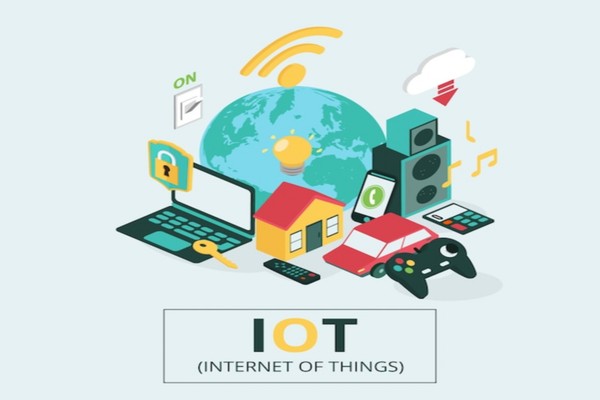
Alt-text: illustration of IOT as emerging technology
2. Scalability and Performance
Scalability remains a significant challenge for blockchain technology, especially in supply chain applications that involve large volumes of transactions and data. As blockchain networks expand, ensuring their scalability and performance is crucial for widespread adoption.
Solutions such as layer-2 protocols, which operate on top of existing blockchain networks, and advancements in consensus mechanisms are being explored to address scalability issues. The introduction of blockchain platforms like Ethereum 2.0 aims to improve transaction throughput and reduce latency.
3. Regulatory and Compliance Issues
The adoption of blockchain technology in supply chain management is also influenced by regulatory and compliance considerations. Different jurisdictions have varying regulations regarding data privacy, cross-border transactions, and industry-specific standards.
Ensuring compliance with these regulations while leveraging blockchain technology is essential for successful implementation. Organizations need to stay informed about regulatory developments and work with legal and compliance experts to navigate the complex landscape.
Filename: supply-chain-management-blockchain
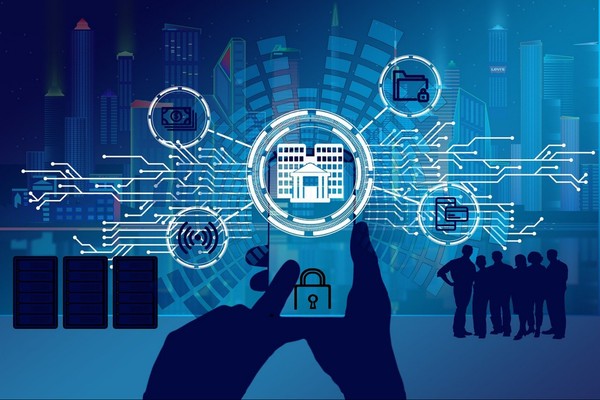
Alt-text: illustration of a person using blockchain for supply chain management
Blockchain Technology: A Transformative Solution for Supply Chain Management
As blockchain technology continues to advance, its integration with other technologies, such as IoT and advanced analytics, will further enhance its impact on supply chain management.
Businesses that want to embrace blockchain technology can connect with the digital asset specialists at Kenson Investments. Specialists at the leading digital asset strategy consulting firm can help you address its challenges will be well-positioned to gain a competitive edge in the evolving supply chain landscape by minimizing associated risks.
Get in touch now!
About the Author
Davidson Martinez is a seasoned financial analyst and blockchain enthusiast with a passion for exploring the intersection of finance, technology, and innovation. With over a decade of experience in the financial industry, Davidson has developed a deep understanding of capital markets, investment strategies, and emerging technologies.
Through his work, David aims to bridge the gap between traditional finance and the digital economy, helping individuals and institutions harness the potential of blockchain technology to drive innovation and create value in the global financial system.
Disclaimer: “The cryptocurrency and digital asset space is an emerging asset class that has not yet been regulated by the SEC and US Federal Government. None of the information provided by Kenson LLC should be considered financial investment advice. Please consult your Registered Financial Advisor for guidance. Kenson LLC does not offer any products regulated by the SEC including, equities, registered securities, ETFs, stocks, bonds, or equivalents”
